Does a nose job help breathing? Our ENT specialists explain how we fix airway obstructions like deviated septums during cosmetic rhinoplasty surgery.

Table of Contents
In my clinic, the line between a cosmetic complaint and a functional one is almost always blurred. A patient will often come in primarily for their “terrible breathing“—a problem they’ve lived with for years, blaming allergies or sinus issues. But their real question is a combined one: “My nose doesn’t work right, and it also doesn’t look right. Are these two things connected, and can you fix both at the same time?”
My answer is that they aren’t two separate problems. A good rhinoplasty surgeon must fix both.
In my professional world, a nose job that looks good but leaves you struggling for air isn’t a success. It’s a failure. The entire point is to get a nose that looks great and works perfectly.
So, What’s Really Blocking Your Air?
So my first job is to find the why. This isn’t guesswork. I’m putting an endoscope—a tiny camera—inside your nose to look at the internal architecture. When someone can’t breathe, the problem is almost always one of three structural failures:
- The Deviated Septum This is the classic culprit. This is the internal wall separating your two nostrils. It’s meant to be straight. When it’s “deviated,” it’s not just a little off-center; it’s buckled, S-shaped, or spurred. It’s a collapsed wall in a narrow hallway. Air can’t ‘go around’ it. You were either born with it, or you broke it at some point—often without even realizing it.
- Swollen Turbinates (Turbinate Hypertrophy) These are the air-conditioners of your nose, living on the side walls. Their job is to warm and filter the air. But if you have chronic allergies, they are in a constant state of defense. They swell up and, eventually, they stay swollen. They become huge, boggy structures that clog the very airway they’re supposed to be servicing. It’s like jamming pillows into that same hallway.
- A Weak Nasal Valve (Nasal Valve Collapse) And third, the one that’s most often missed: a weak nasal valve. This is an engineering problem. If you breathe in hard and your nostrils pinch shut, that’s ‘nasal valve collapse.’ It means the ‘tent poles’—the cartilage supporting your nose—are too weak to resist the vacuum of you inhaling. This can be your natural anatomy, or it can be the devastating result of a prior surgery that removed too much structure.
How We Fix Form and Function Together
When I find these issues, my surgical plan isn’t just for a “Rhinoplasty.” It’s for a “Septorhinoplasty.”
That’s a key word.
The “Septo” part is the inside job—fixing that crooked septum. The “Rhino” part is the outside job—the shaping and aesthetics.
For me, these are not two separate surgeries. It is one single, detailed operation.
While I’m working on the cosmetic shape you want (like straightening the bridge or refining the tip), I am simultaneously…
- …Straightening that septum to clear the main airway.
- …Reducing the size of those swollen turbinates to create space for airflow.
- …And, if needed, adding tiny, invisible grafts of your own cartilage to act as internal “splints” to hold that weak valve open so it can’t collapse. These grafts are feats of engineering that support the airway from within.
Why Your Surgeon’s Background is Critical
This is precisely why your surgeon’s training is so important. This is not a generalist’s field. This specific intersection of function and aesthetics is a specialist’s domain.
A specialist with an ENT (Ear, Nose, and Throat) background, like me, was trained first on how to make a nose work. We spent years just focusing on fixing septums and breathing problems.
When you add facial plastic surgery skill on top of that, you get a surgeon who is obsessed with both parts of the job. They won’t just give you a good-looking nose; they will make sure it has the right internal structure to let you finally get a deep, full breath.
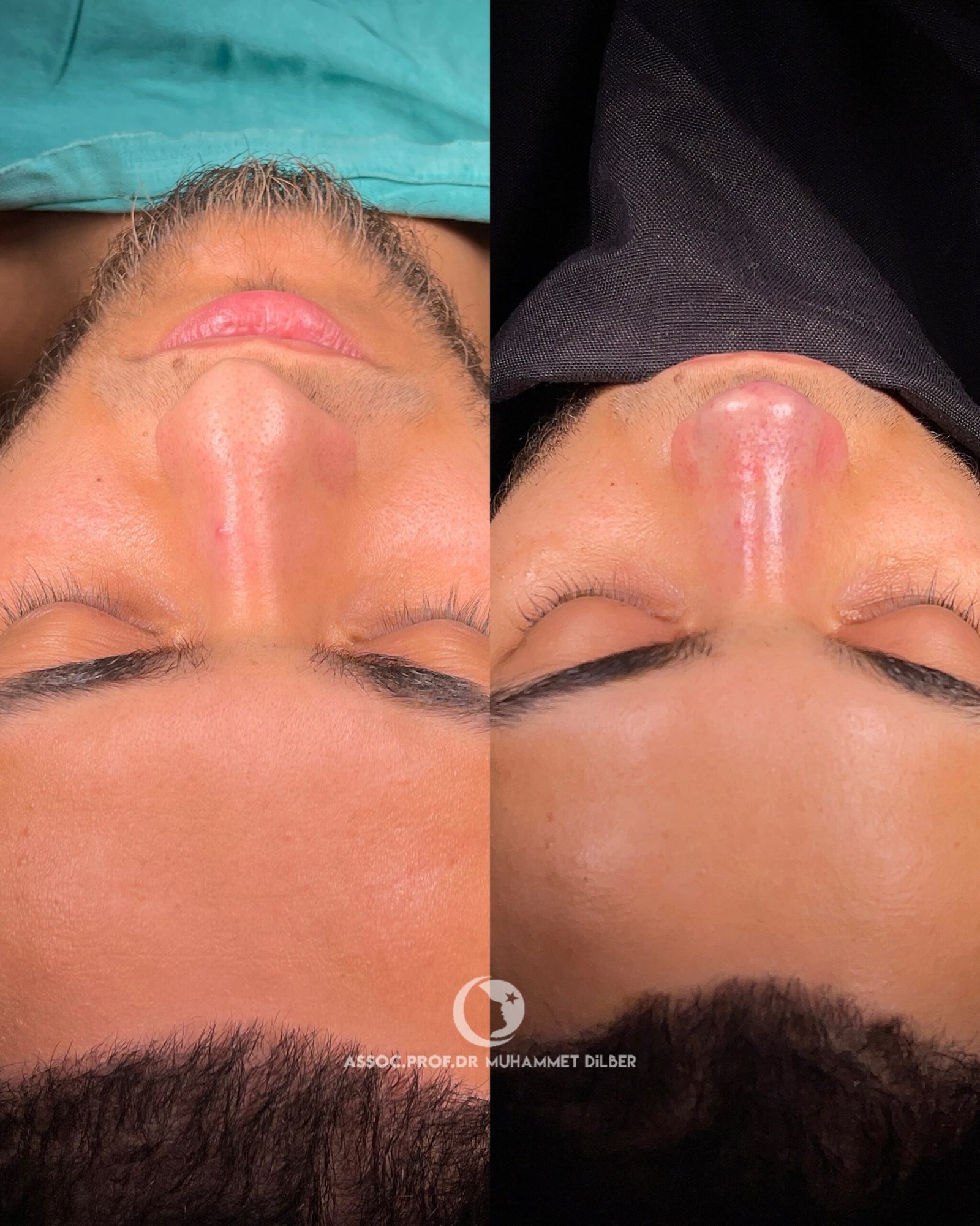
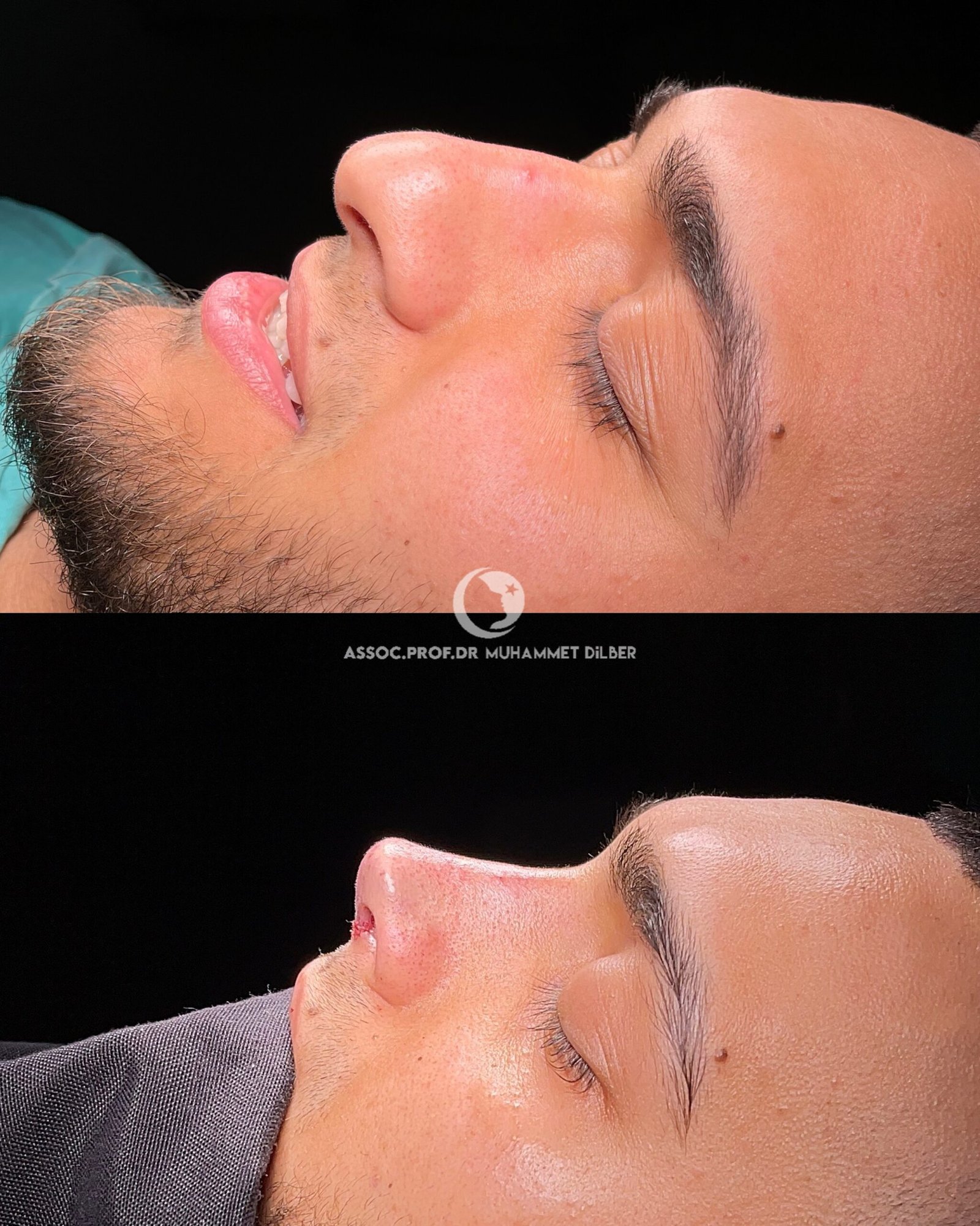
What Success Looks Like to Me
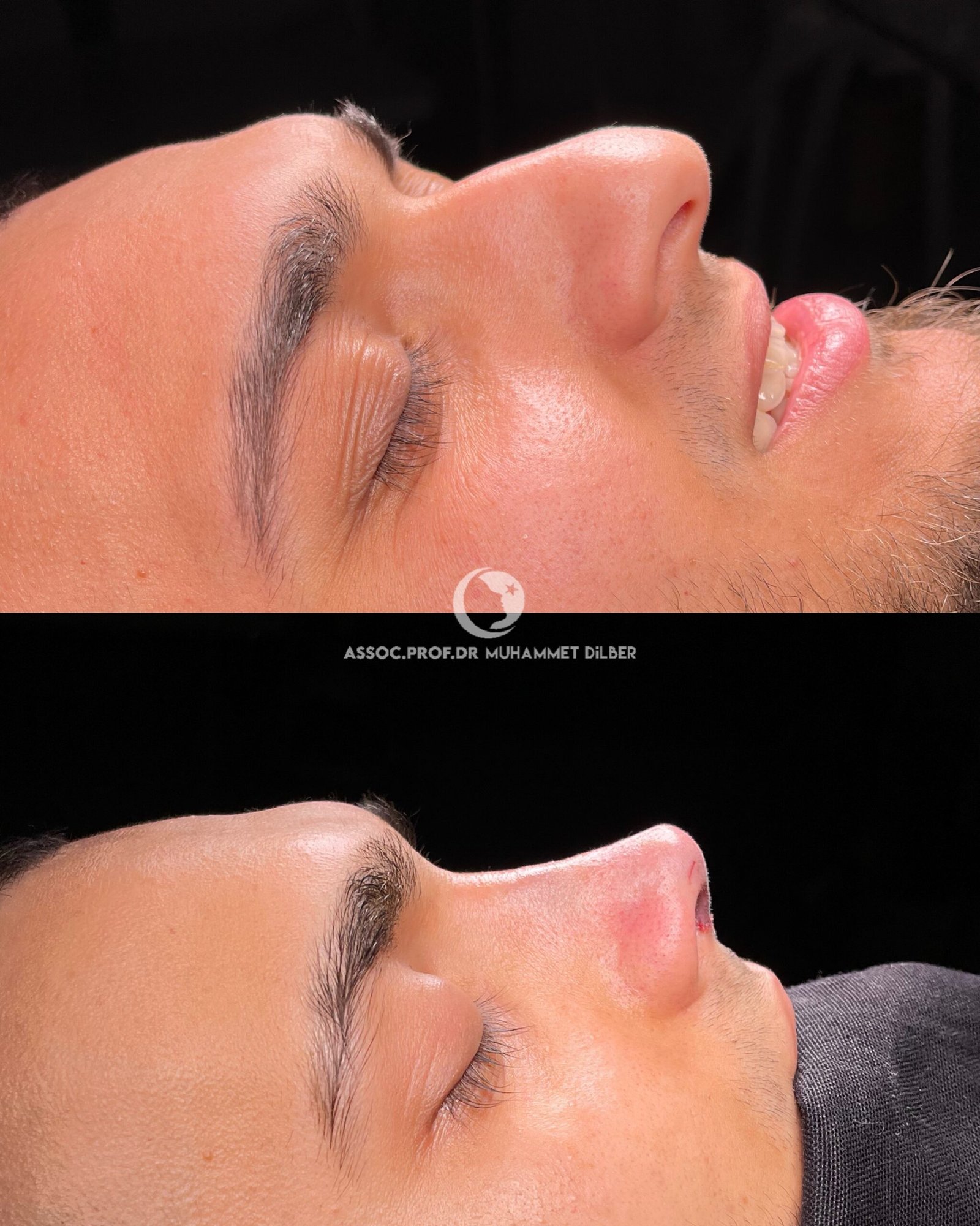
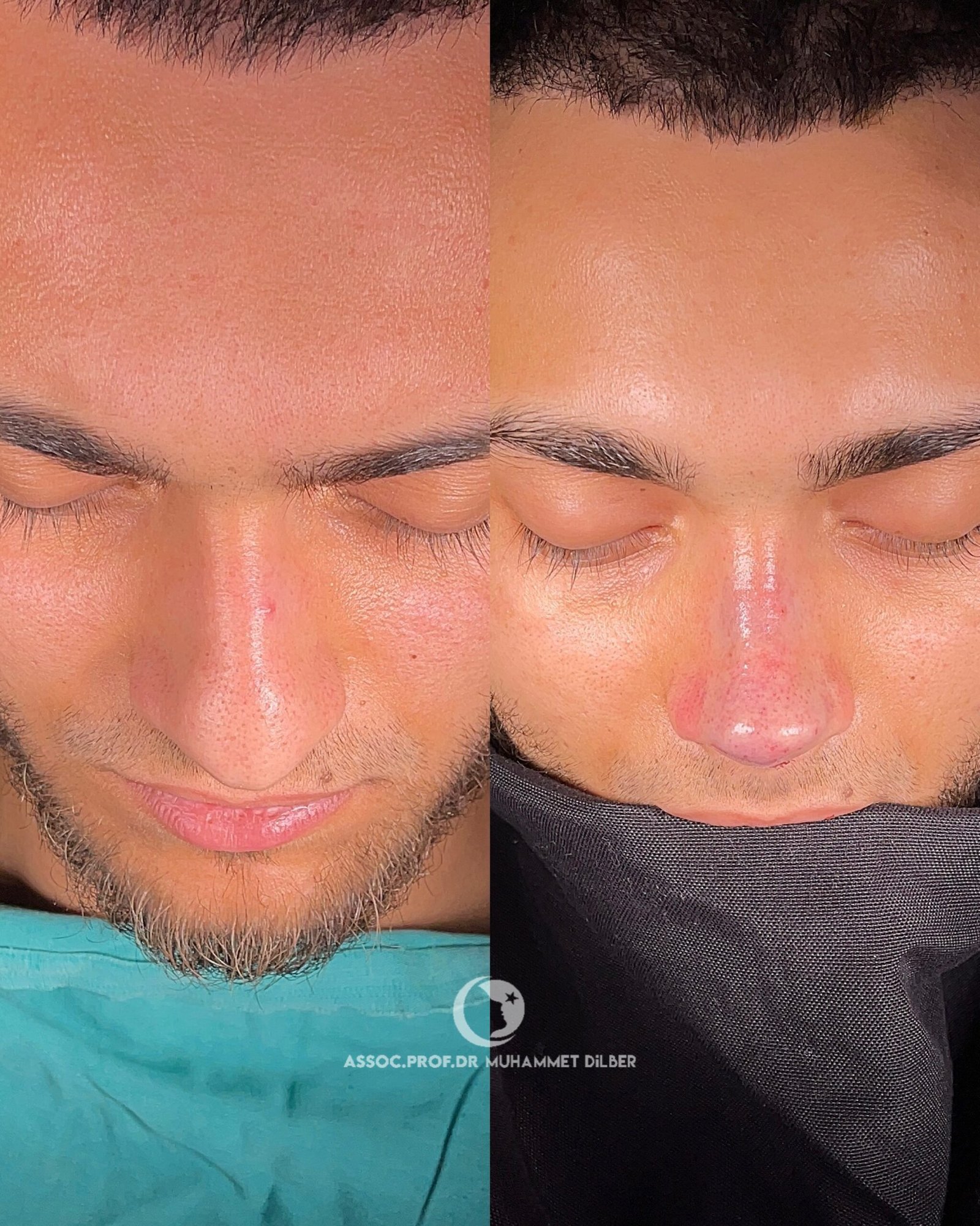
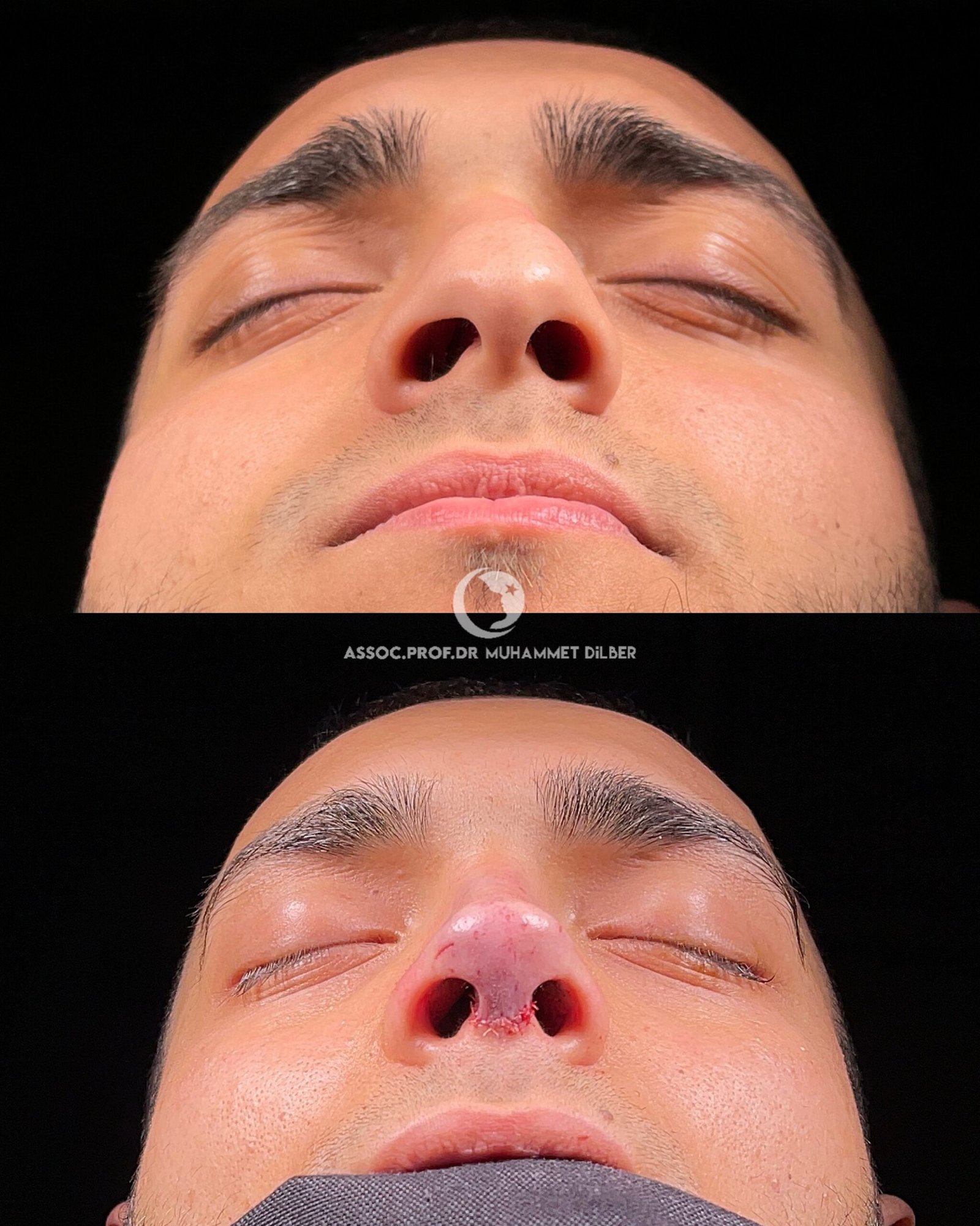
So, yes, rhinoplasty can—and absolutely should—fix your breathing.
Don’t think of the breathing part as a “bonus” or an “add-on.” It’s the foundation of the whole surgery.
For me, the best, most satisfying moment is not just when a patient sees their new nose in the mirror. It’s a few weeks later, when they come in and say, “Doctor, I never knew I was supposed to be able to breathe this well.”
If you are considering a rhinoplasty operation in Turkey, you may contact us via WhatsApp for consultation and to schedule an appointment.
Frequently Asked Questions (FAQ)
Can rhinoplasty really fix my breathing problems?
A: Yes. In my clinic, we believe that a nose job that looks good but leaves you struggling for air is a failure. The goal of the surgery is to provide a nose that looks great and works perfectly. We treat the cosmetic and functional issues as one combined problem, not separate ones.
What is the difference between Rhinoplasty and Septorhinoplasty?
A: “Septorhinoplasty” is the term we use when we fix both form and function. The “Septo” part refers to the “inside job” of fixing a crooked septum, while the “Rhino” part refers to the “outside job” of shaping the aesthetics. We perform these as one single, detailed operation.
What are the main causes of nasal obstruction?
A: When a patient cannot breathe, it is almost always due to one of three structural failures:
A Deviated Septum: The internal wall separating your nostrils is crooked or buckled.
Swollen Turbinates: The structures that filter air become permanently swollen (often due to allergies).
Nasal Valve Collapse: The cartilage support is too weak, causing nostrils to pinch shut when you inhale.
How do you fix a “weak nasal valve” or nostrils that collapse?
Fixing a weak valve is an engineering task. We often add tiny, invisible grafts of your own cartilage to act as internal “splints.” These grafts hold the valve open and prevent it from collapsing under the vacuum of your breath.
Why is an ENT background important for this surgery?
This specific intersection of function and aesthetics is a specialist’s domain. Surgeons with an ENT (Ear, Nose, and Throat) background are trained first on how to make a nose work correctly. We focus on ensuring the internal structure is solid so you can get a deep, full breath.
Can I fix my deviated septum and change my nose shape at the same time?
Absolutely. While we are working on the cosmetic shape you want (like straightening the bridge or refining the tip), we simultaneously straighten the septum to clear the main airway. You do not need two separate surgeries.
Last Updated:Jan 1st, 2026