A Surgeon’s Honest Advice: Choosing The Right Rhinoplasty Surgeon
Choosing a rhinoplasty surgeon? An ENT explains the 2 jobs: aesthetics & breathing. Learn why your surgeon must be an ENT to prevent a “failed” (but beautiful) nose.

On this page
- Job #1: The Look. Job #2: The Breathing.
- Are They an “ENT” Doctor?
- How to Really Read “Before and After” Photos
- The Consultation: The Questions That Matter
- How to Verify a Surgeon’s Credentials Before You Book
- Patient Experiences (Video)
- Frequently Asked Questions
- Related Reading
- About the Author
- Sources & How This Page Is Written
I see patients all the time who are overwhelmed. They’ve scrolled through hundreds of “perfect” noses on Instagram/Tiktok, and everyone seems to be an expert. It’s confusing.
I see the weight of this, whether you’re hoping for a life-changing rhinoplasty or you’re anxiously searching for a revision rhinoplasty specialist to fix someone else’s work.
As a Rhinoplasty surgeon who has dedicated my career to the nose, I want to give you some honest, practical advice. If you were my friend or family member asking me how to find the right doctor, here is exactly what I would tell you. Forget the marketing and the social media hype. You are hiring someone for two separate jobs, and most people only think about one.
Job #1: The Look. Job #2: The Breathing.
Everyone focuses on Job #1: the aesthetics. And you should. You absolutely must like the surgeon’s style and their “after” photos.
But Job #2 is the one that truly impacts your quality of life: function.
The real challenge isn’t finding a surgeon who can make a nose look different. It’s finding a surgeon who can make it look better while protecting or, in many cases, fixing your breathing.
This is where you must start your search.
Are They an “ENT” Doctor?
Before you even look at a photo, check the surgeon’s background. Are they an Otorhinolaryngologist? We just call it ENT (Ear, Nose, and Throat).
Why does this matter so much?
An ENT doctor spends years training almost exclusively on the inside of the nose. We live and breathe nasal passages. We are trained to fix the very things that block your breathing:
- A Deviated Septum: The crooked wall inside your nose.
- Enlarged Turbinates: The structures that get swollen and make you feel “stuffy.”
A surgeon without this deep ENT training might not be comfortable fixing these issues. They might only focus on the outside. An ENT-trained facial plastic surgeon sees the whole picture. We see the nose as a single, complex structure, inside and out.
How to Really Read “Before and After” Photos
Okay, let’s talk about the photos. They are important. But you have to look at them with a doctor’s eye.
- Don’t look for the “same nose.” If every “after” photo shows the same tiny, sloped, “done” nose, that’s a red flag for me. A great surgeon doesn’t have one signature nose. They have one signature result: a nose that looks balanced and natural on each individual patient’s face.
- Look at the nostrils. This is my insider tip. Look closely at the “after” nostrils, especially from the front and base views. Do they look pinched, collapsed, or unnaturally small? That is a huge warning sign. It often means the structural support of the nose was weakened, and that is a classic cause of breathing problems down the line. A good result looks supported and natural, not pinched.
The Consultation: The Questions That Matter
This is your interview. You are hiring them for a highly complex procedure, whether it’s your first rhinoplasty or a difficult revision rhinoplasty. When you sit down with the doctor, pay close attention to what they ask you.
- Do they ask about your breathing? This should be one of the very first questions. Do you feel congested? Do you snore? Do you have allergies? If they don’t seem interested in your breathing, they are not focused on “Job #2.”
- Do they use a camera? This is critical. A surgeon must use a small, thin camera (called an endoscope) to look deep inside your nose. If they just take a quick peek up your nostril with a little light, they cannot see your septum or turbinates. They are guessing. I would not let a surgeon operate on me without a proper internal exam.
- Do you feel heard? This is simple, but it’s everything. Do they listen to you? Or do they just tell you what they want to do? This is a partnership. You need to feel 100% comfortable.
This is a big decision, so don’t be rushed. Your goal isn’t to find the cheapest price or the biggest Instagram following. Your goal is to find a true rhinoplasty specialist who respects that the nose is for breathing first. When you find a doctor who is just as passionate about your airway as they are about the aesthetics, you’ve found the right person.
Last Updated: Jan 1st, 2026
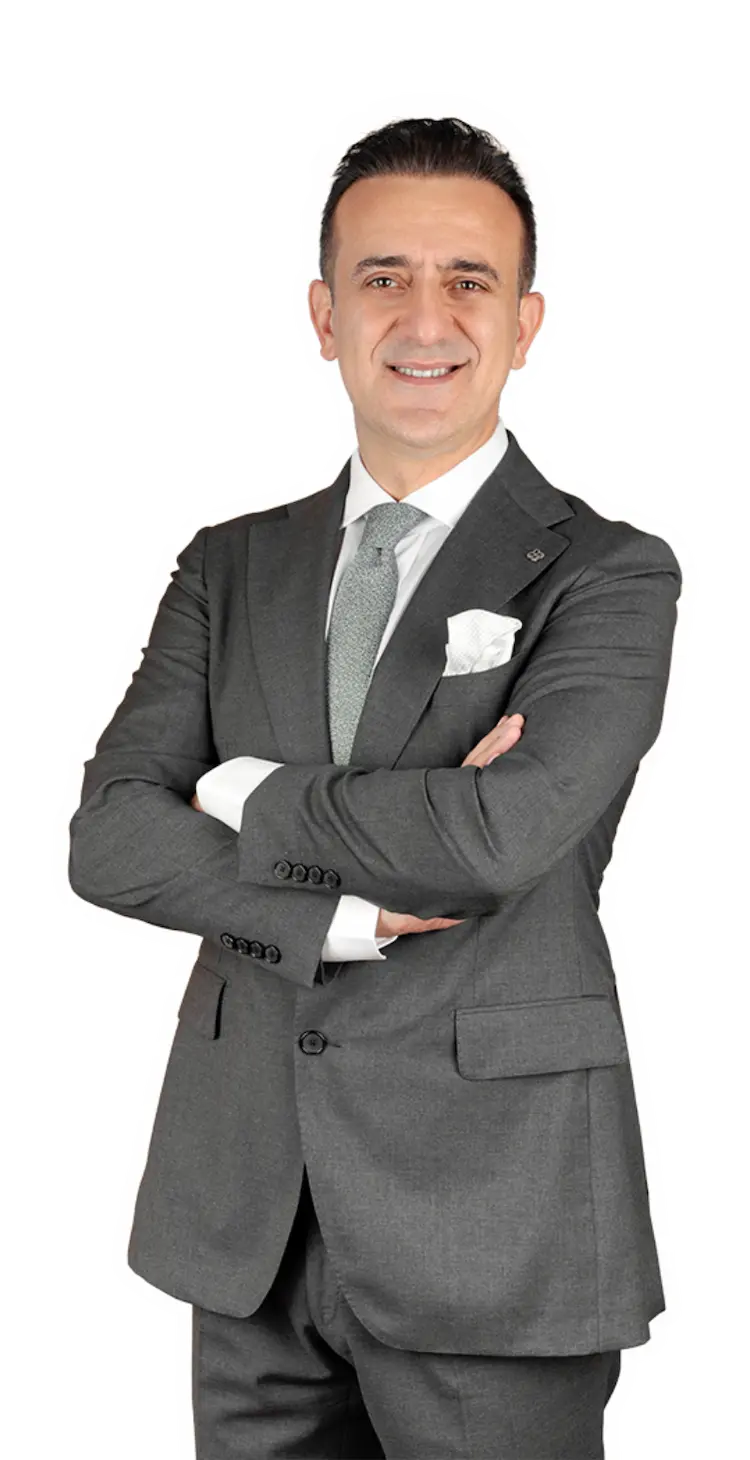
Author : Associate Professor Dr. Muhammet Dilber
How to Verify a Surgeon’s Credentials Before You Book
Everything above helps you judge a surgeon in the room. This step helps you judge them before you ever get there — through official channels rather than social media.
- Confirm the specialty and registration. Check that the surgeon is a registered physician and that their specialty is Otorhinolaryngology (ENT) or plastic surgery. In Turkey, physicians are registered through the Ministry of Health and the provincial medical chamber; wherever you are, the national medical council or board is the source of truth.
- Ask about volume, not just years. How many rhinoplasty and revision rhinoplasty cases does the surgeon perform each year? A focused nasal practice is more meaningful than a long, general one.
- Ask to see cases like yours. Request full-face, multi-angle before-and-after photos of patients with a starting nose and skin type similar to yours — and ask whether you can hear from past patients.
- Check the facility. Surgery should take place in a licensed, accredited hospital, not an unregulated setting.
Patient Experiences (Video)
Hearing how other patients chose their surgeon — and how they weighed function against appearance — is often more useful than any photo. These are real patient stories.
Frequently Asked Questions
How do I choose the right rhinoplasty surgeon?
Focus on finding a surgeon who can expertly handle both aesthetics (the look) and function (the breathing). A beautiful nose you can’t breathe through is a failed surgery.
Check Their Background: Prioritize a surgeon with an ENT (Ear, Nose, and Throat) background. They are specialists in the internal structures (like the septum and turbinates) and are best equipped to protect or improve your breathing.
Analyze “Before & After” Photos: Look for natural, balanced results that fit each patient’s unique face, not the same “signature nose” on everyone. “Pinched” or “collapsed” nostrils are a major red flag for future breathing problems.
Evaluate the Consultation: The surgeon must (1) ask about your breathing immediately, (2) use an endoscope (a small camera) to examine the inside of your nose (not just a small light), and (3) make you feel heard and understood.
Should my rhinoplasty surgeon be an ENT?
An ENT (otorhinolaryngology) background means the surgeon has spent years trained on the inside of the nose — the septum, the turbinates and the airway — not only the external shape. Because the same surgery that changes how a nose looks can also change how it breathes, an ENT-trained facial plastic surgeon is well placed to protect or improve your breathing while refining the appearance.
What is a red flag in before-and-after photos?
Two things. First, the same tiny “done” nose on every patient — a good surgeon tailors the result to each face rather than repeating one signature shape. Second, and most important, nostrils that look pinched, collapsed or unnaturally small in the “after” photos. That often signals weakened structural support and is a classic cause of later breathing problems.
How do I verify a surgeon’s credentials in Turkey?
Confirm that the surgeon is a registered physician whose specialty is otorhinolaryngology (ENT) or plastic surgery, that surgery takes place in a licensed accredited hospital, and ask directly about annual rhinoplasty case volume and to see cases similar to yours. In Turkey, registration runs through the Ministry of Health and the provincial medical chamber. You can also read about the surgeon’s background and credentials.
How much does rhinoplasty cost in Turkey?
Cost depends on whether it is a primary or revision case, the techniques required and the facility. Rather than choosing on price alone, compare what is included and the surgeon’s focus on your airway. We cover this in detail in rhinoplasty costs: what to expect.
About Assoc. Prof. Dr. Muhammet Dilber
Assoc. Prof. Dr. Muhammet Dilber is an Otorhinolaryngology (Ear, Nose & Throat) specialist in Istanbul whose practice focuses on rhinoplasty, revision rhinoplasty and functional nasal surgery. He completed his medical education and ENT specialisation at Bursa Uludağ University and approaches every nose as a single structure — treating how it looks and how it breathes as one problem.
Profiles: Google Scholar · Full biography
Sources & How This Page Is Written
This guide reflects the author’s first-hand clinical experience as an ENT rhinoplasty surgeon, combined with widely accepted principles of surgeon selection. It is educational and does not replace a personal consultation.