Why Are My Nostrils So Visible? Can surgery really fix this “visible nostril” look? Assoc. Prof. Dr. Muhammet Dilber explains the 3 distinct problems & the different surgical techniques (alarplasty, cartilage grafts) used for a natural, functional result.

“Wide,” “flared,” or “nostril show.” In my practice, when a patient uses these specific terms, I listen carefully. They are not just describing a nose they dislike; they are providing the precise clues I need to diagnose three distinct anatomical issues that, while often confused, require completely different surgical solutions.
Table of Contents
My first job is to diagnose what you are really seeing.
Let’s separate these issues. “Wide” and “flared” are horizontal problems, related to the base and width of the nostrils. “Nostril show” is a vertical problem, related to the angle of the tip and the height of the nostril rims.
Yes, a rhinoplasty can fix all three, but the techniques are completely different.
1. The “Wide” or “Flared” Nostril Problem
Let’s be clear about “wide” versus “flared,” because in my exam room, they mean two different things.
When a patient says their nose is “wide,” they are almost always talking about the foundation. The actual footprint of the nose—where the nostrils sit on the face—is physically too broad. It’s a static problem; it’s wide even when your face is at rest.
“Flared,” however, is different. This is about the shape and curve of the nostril wings (the alae). You might have a normal base width, but the wings themselves bow outwards, or they spread dramatically when you smile. This is often a dynamic problem.
This is a problem with the “canvas,” not the “tent pole.”
The Solution: Alarplasty (Alar Base Reduction) This is not a reconstructive issue, but one of careful reduction. To fix this, I perform what is called an alarplasty, or alar base reduction.
This involves removing a small, precise wedge of skin and soft tissue from the crease where the nostril meets the cheek. By bringing those two edges together, I can:
- Narrow the overall width of the nostril base.
- Reduce the “flare” by pulling the curve of the nostril inward.
This is a delicate procedure; the goal is to create a natural, un-pinched look that is in harmony with your other features.
2. The “Visible Nostrils” (Nostril Show) Problem
This is a completely different challenge. This is the feeling you described as people “looking right up your nose.” This is almost always a problem of angles and structure, not the size of the nostril opening.
You’re seeing this for one of two main reasons: your nose is either genetically short and “upturned,” or (and this is very common) you are the victim of a previous, overly aggressive rhinoplasty.
My first step is to diagnose why.
- The Tip is Angled Too High (Over-Rotation) This is the classic “upturned” nose. The entire tip structure is rotated too far upward. This can be genetic, but it’s also the textbook sign of a previous rhinoplasty where too much was removed, causing the nose to shrink and pull upward.
- Retracted Nostril Rims (Alar Retraction) This is a different problem. The tip itself might be at a good angle, but the rims of your nostrils (the “wings”) are pulled up too high, like a high, arched window. This creates a “gull-wing” look and exposes the inside of the nose.
The Solution: This is an “Adding” Surgery, Not “Removing” This is critical to understand: We cannot fix this by “cutting” or “reducing” anything. We’ve already had too much of that.
This is advanced reconstructive rhinoplasty. My job is not to remove; it’s to add.
We have to lengthen the “tent” and pull the “canvas” down. We do this using cartilage grafts, which are tiny, invisible structural supports taken from your own septum (or rib, if this is a revision and the septum is gone).
- To fix the Upturned Tip: I must “de-rotate” it. This requires septal extension grafts. This is a powerful technique where I build a new, stronger “tent pole” from cartilage, which physically pushes the tip down and out into a more natural, less-upturned angle.
- To fix the Retracted Rims: If the wings are pulled up, I use alar rim grafts. These are tiny, delicate slivers of cartilage placed in a hidden pocket right along the nostril rim. They act like a batten, pushing the rim down and giving it a more natural, gentle curve.
The Breathing Connection: A “Short Nose” is a “Weak Nose”
Here is where my ENT background is everything. That “upturned” look from a previous, bad surgery isn’t just a cosmetic problem. It’s a sign that the entire structure of the nose has been weakened.
That over-shortened nose is almost always a collapsed nose. This is the definition of nasal valve collapse. The patient almost never breathes well.
So, the grafts I am using aren’t just for looks. The septal extension graft that lengthens the nose also rebuilds the central support and opens the airway. The rim grafts that lower the nostril rim also stop the nostril from caving in when you inhale.
We are fixing the function and the form at the exact same time.
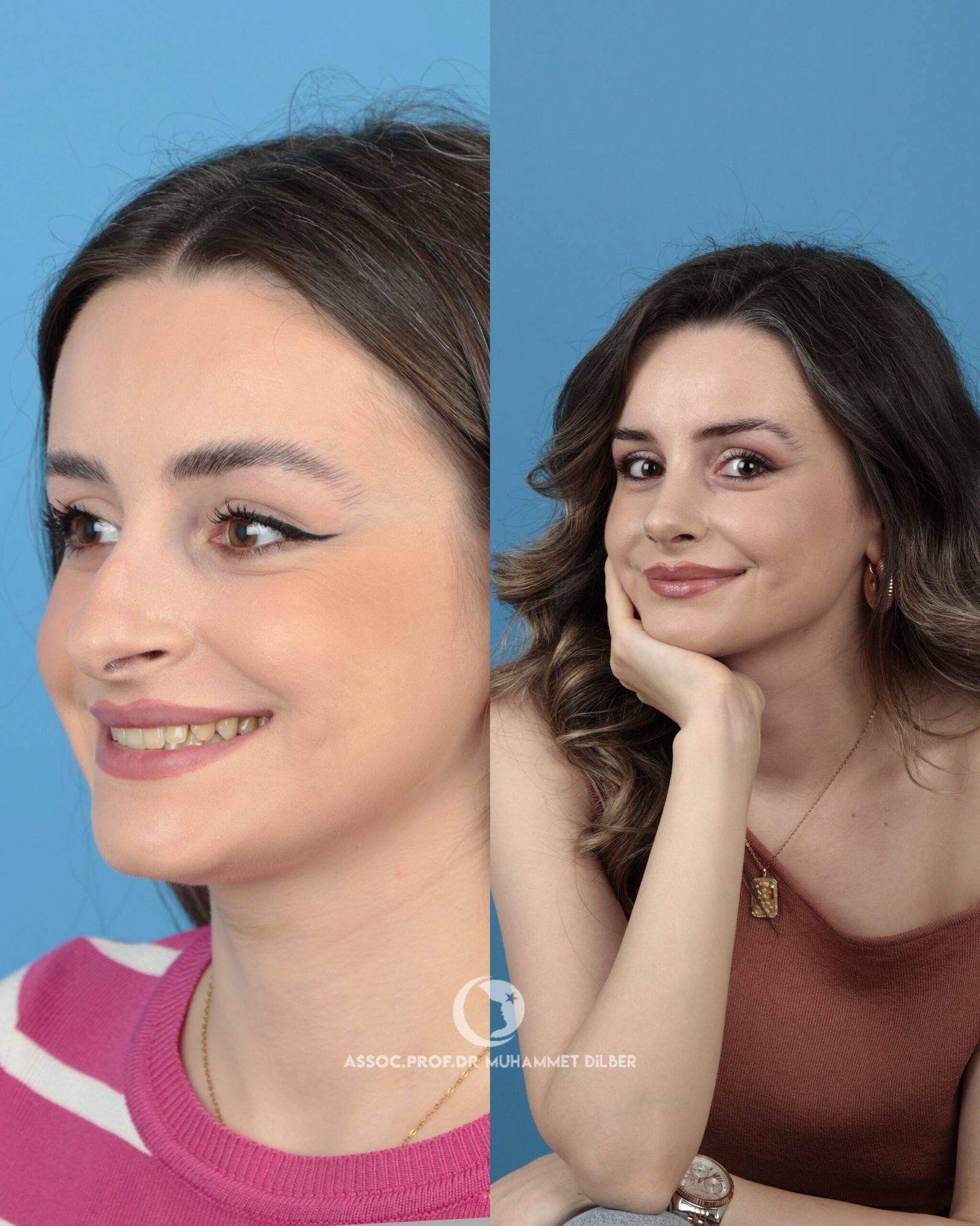
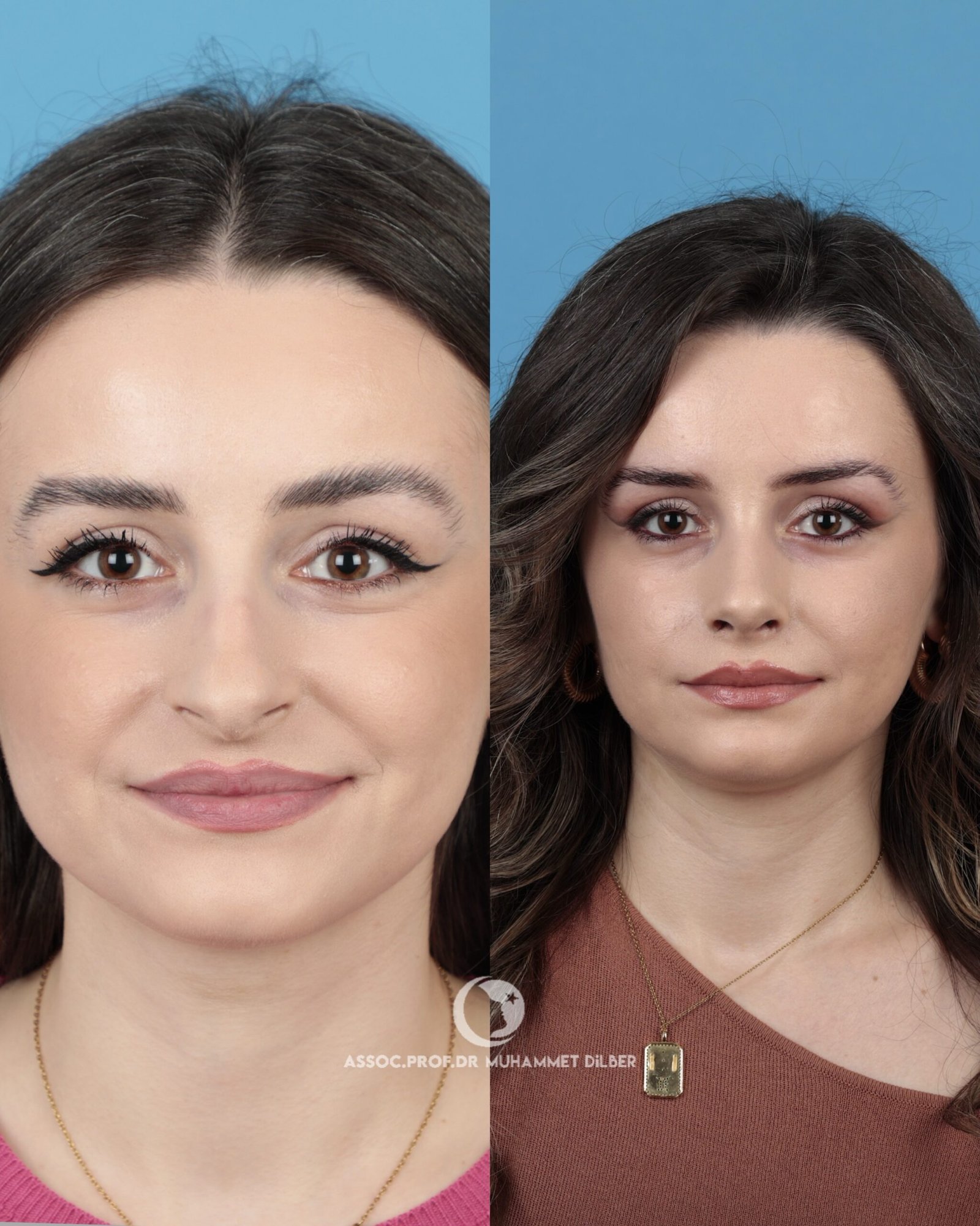
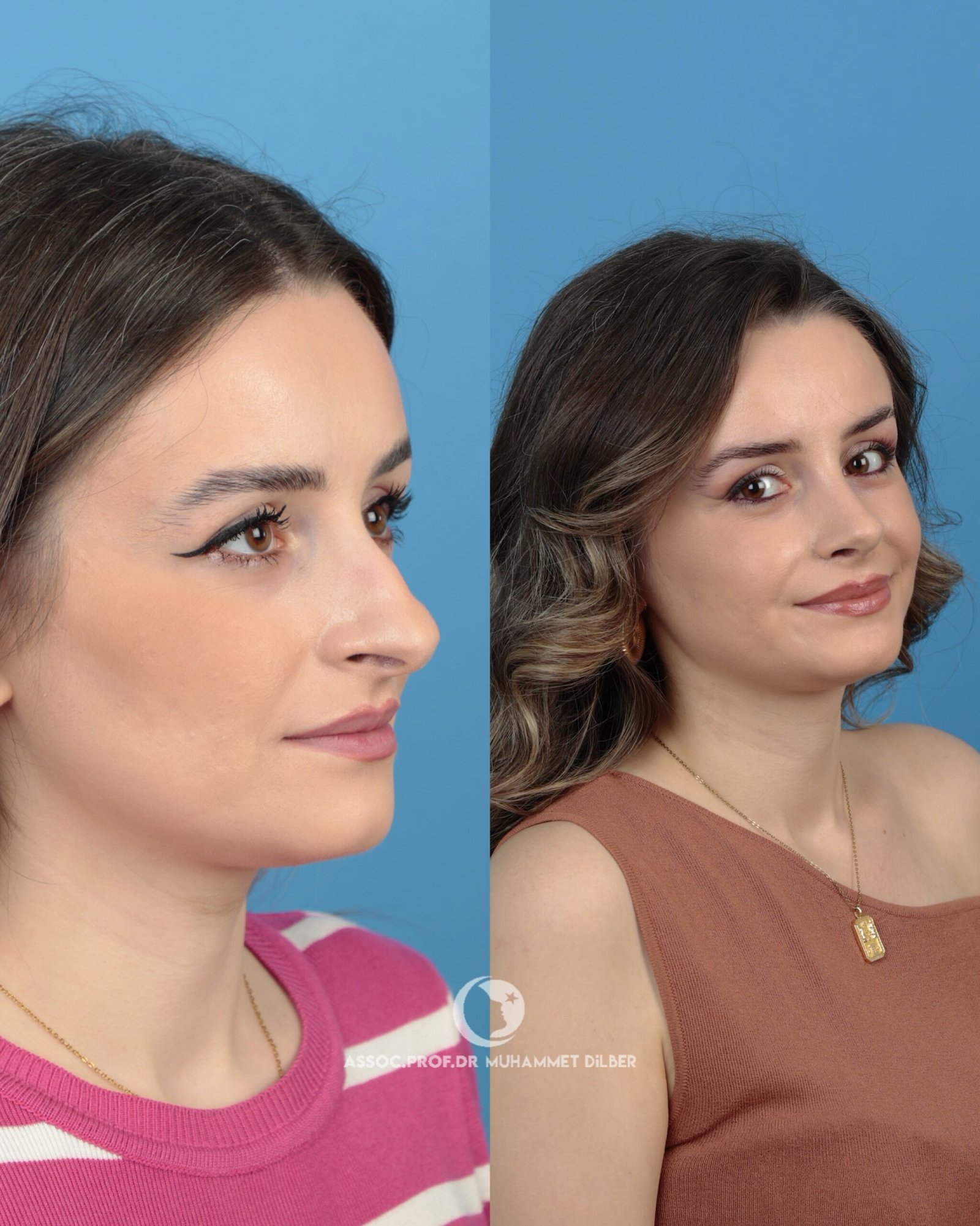
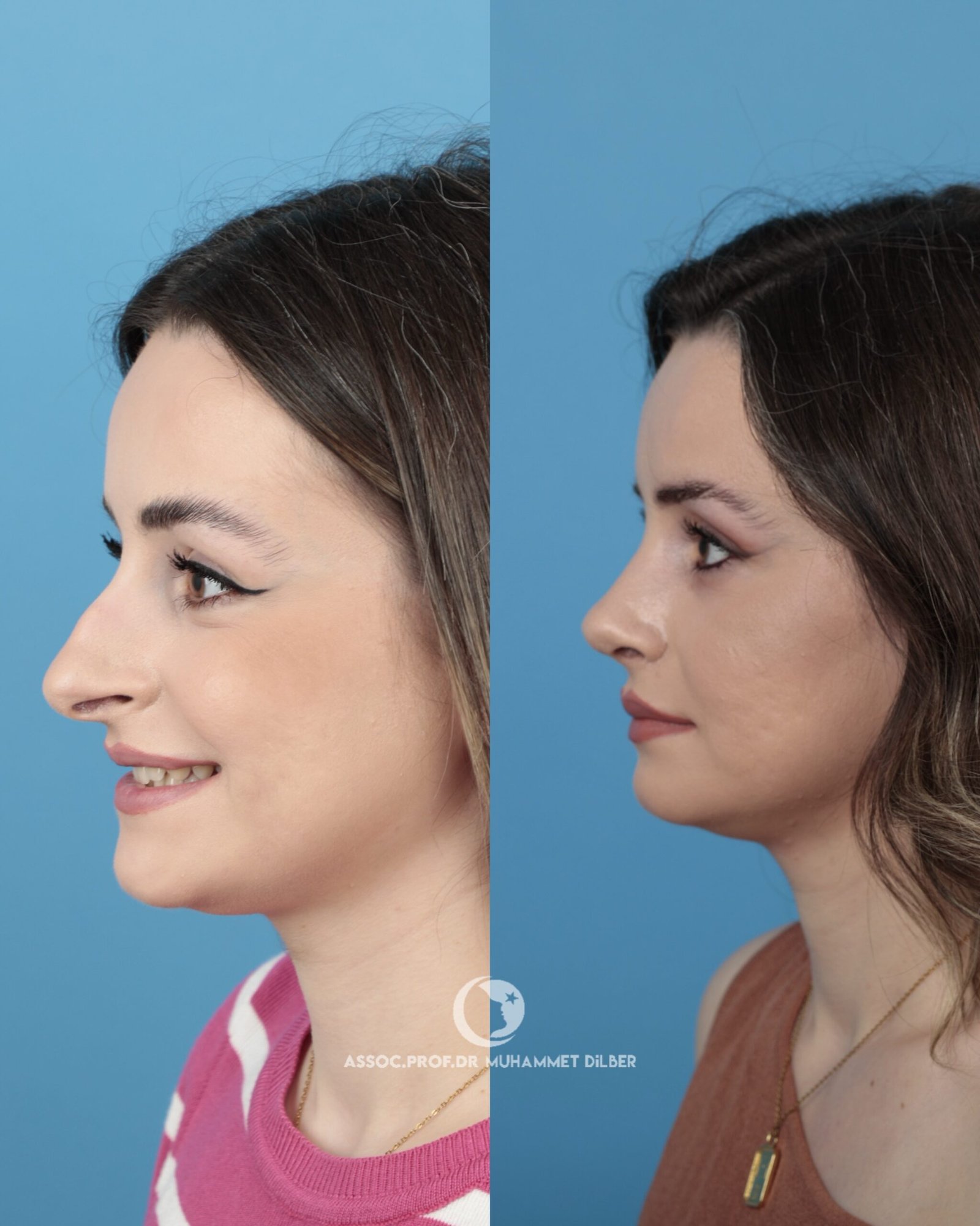
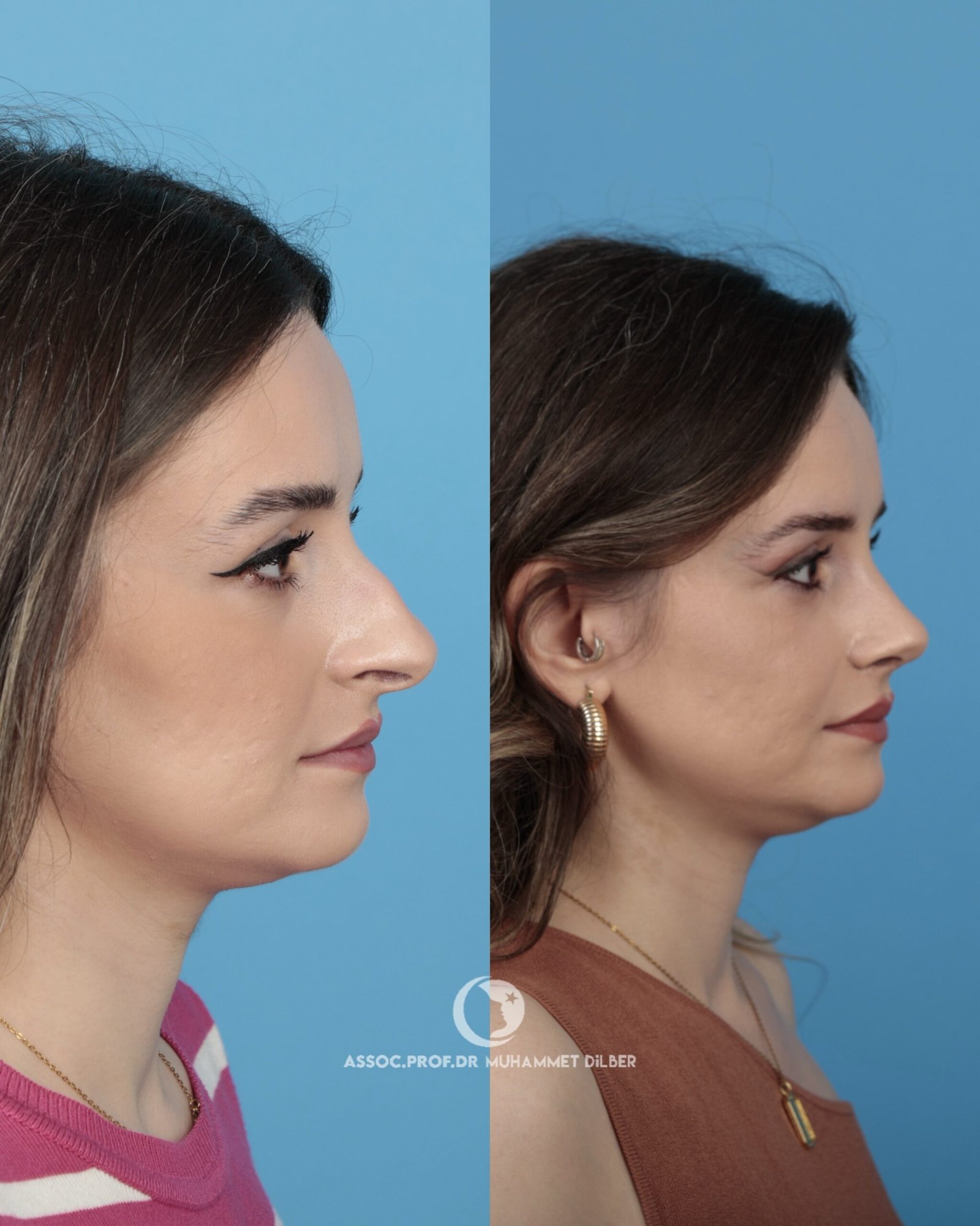
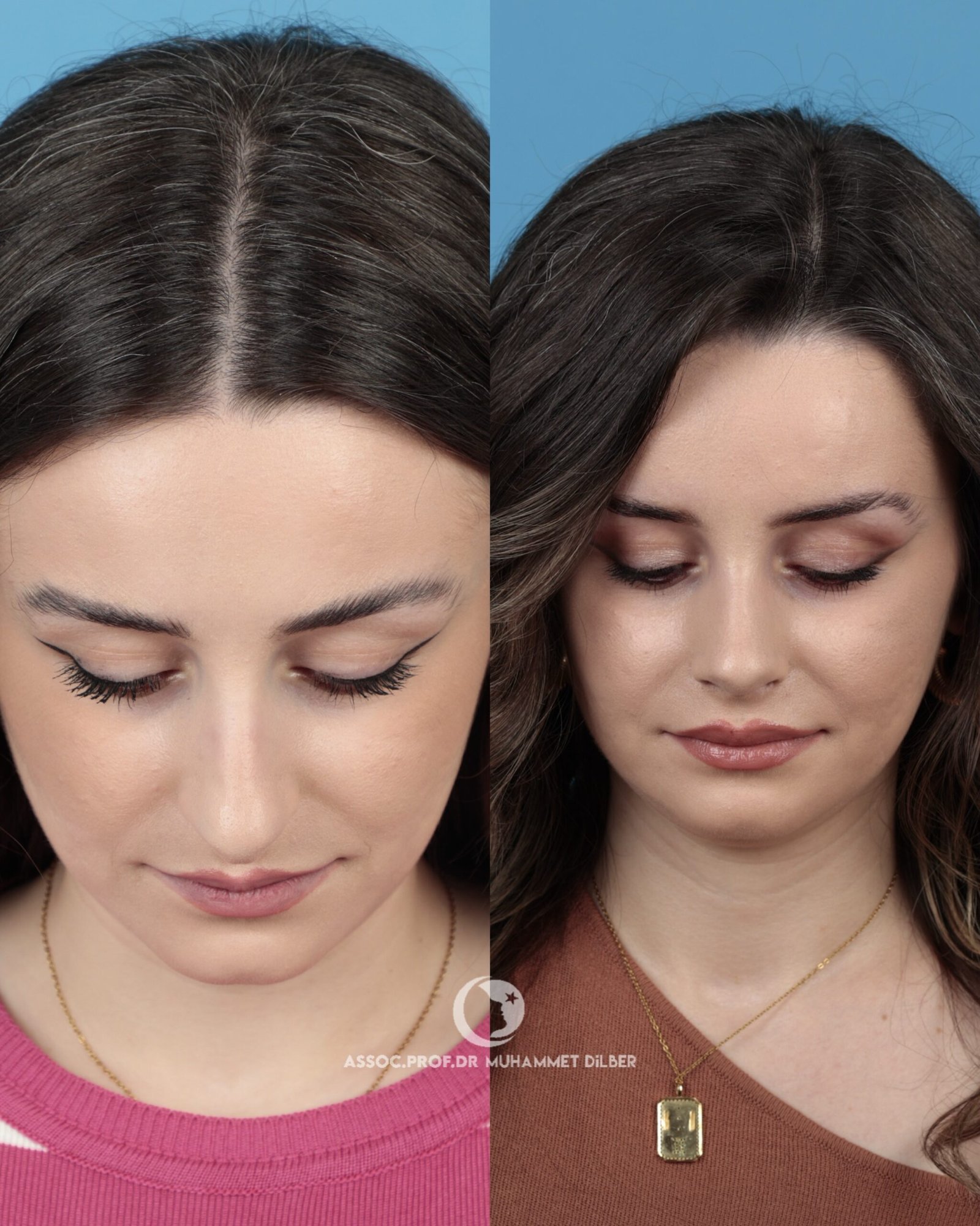

This is an advanced, delicate operation. My goal isn’t ‘perfection’; it’s to build a nose that is both healthy and harmonious. The end result shouldn’t look ‘operated on’—it should just blend quietly with your face. But it must also let you take a deep, effortless breath. That intersection of natural aesthetics and optimal health is the only balance I’m working to achieve.
Common Questions to Ask About Visible Nostrils
Why do my nostrils look so visible from the front view?
This is a very common concern I hear from my patients. Often, it’s due to the natural structure of your alar rim (the nostril edge) or the position of the nasal tip. Sometimes, it can also happen after a previous rhinoplasty. In my practice, I analyze your specific anatomy to understand exactly why this is happening and how we can balance it.
Can surgery really fix this “visible nostril” look?
Absolutely. I perform a specialized procedure known as Nostril Correction or Visible Nostrils Surgery. My goal with this surgery is to carefully adjust the nostril rim or rotate the tip just enough to reduce that excessive exposure, giving you a more natural and relaxed nasal appearance.
Where do you perform these surgeries?
I welcome my patients to Istanbul, Turkey, where I perform all my surgeries. Whether you are traveling from abroad or living locally, my team and I ensure you receive world-class care in a comfortable setting.
Do you have examples of your work for this specific problem?
Yes, I believe seeing is believing. I invite you to look at my “Before & After” gallery. These photos show real patients I have treated, demonstrating how we can correct the nostril shape while keeping the nose looking harmonious with the rest of the face.
Get Quote for “Visible Nostrils Surgery”
If you are self-conscious about visible nostrils and desire a more balanced, aesthetically pleasing nasal appearance, you don’t have to compromise on your confidence. Assoc. Prof. Dr. Muhammet Dilber specializes in these delicate refinements, offering natural-looking results tailored to your facial structure. To learn more about your options or to schedule a consultation, getting in touch is easy. Please feel free to contact us directly via WhatsApp, send a message on Instagram, or simply fill out the contact form on this page to start your journey.”
Last Updated:Jan 1st, 2026